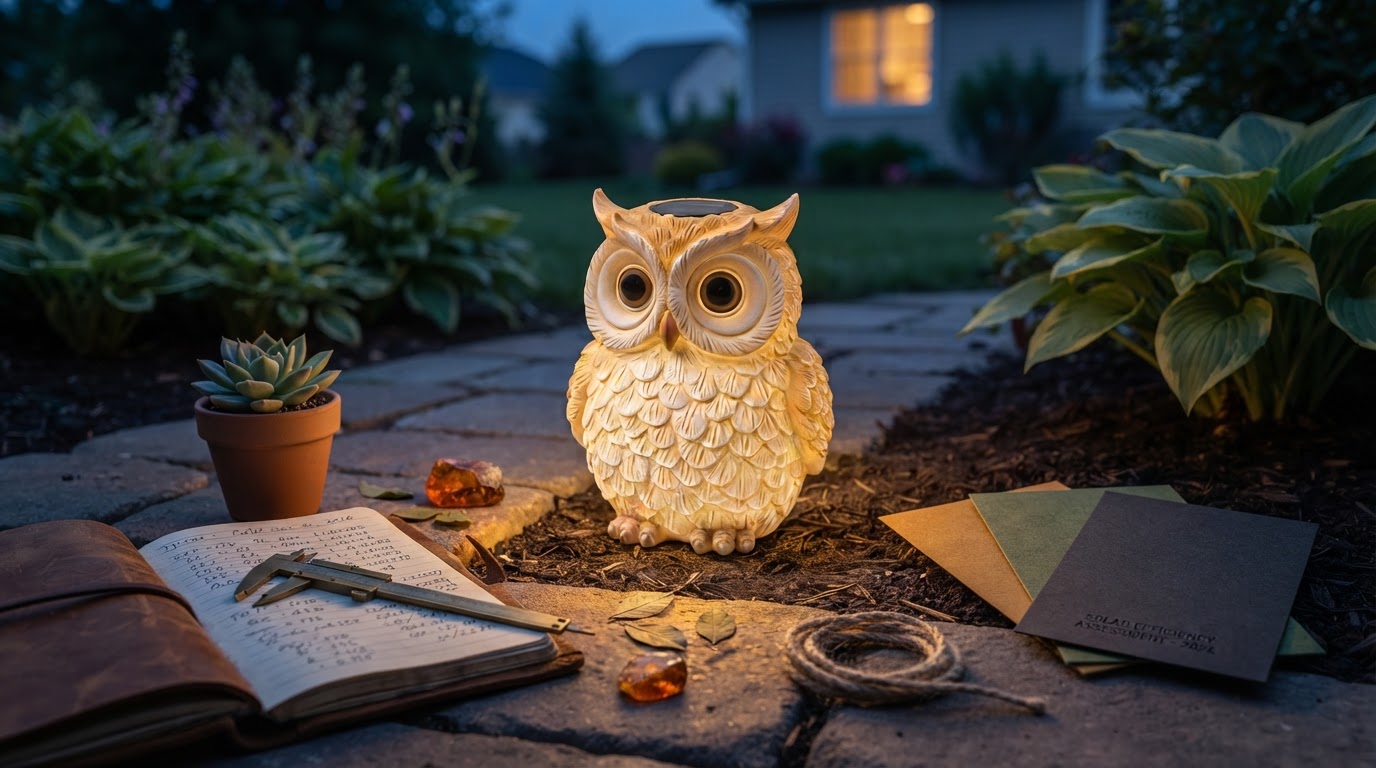
Solar Owl Light Performance in Modern Garden Design
 Maya ChenContributing Editor
August 18, 2026. This assessment evaluates the technical integration of glowing owl garden ornaments within residential outdoor spaces. It is intended for homeowners seeking a data-driven approach to decorative solar lighting rather than aesthetic fluff.
The Technical Limitations of Decorative Solar Illumination
The conventional wisdom says that any solar-powered ornament will suffice for nighttime visibility, provided it sits in a patch of grass. This assumption ignores the fundamental physics of photovoltaic conversion in residential microclimates. Most consumers prioritize the "glow" of a glowing owl garden ornament solar without calculating the actual energy harvest required to sustain that output through the early morning hours. Data from the National Renewable Energy Laboratory (NREL) indicates that even slight shading from a fence or a nearby shrub can reduce solar panel efficiency by over 50%. When users complain about dimming, they are usually seeing the result of poor placement rather than battery failure. Furthermore, the market is saturated with low-grade plastics that degrade under UV exposure within a single season. Many people mistakenly believe that an owl garden statue with solar lights is a set-it-and-forget-it purchase, but without an IP65 or higher waterproof rating, internal circuitry is susceptible to vapor lock and corrosion. The industry standard for entry-level decor often hovers at IP44, which is insufficient for heavy rain or irrigation spray. If the goal is a permanent fixture, the material composition must be scrutinized to avoid the brittleness associated with cheap polymers.
Engineering the Solar Owl Light for Longevity
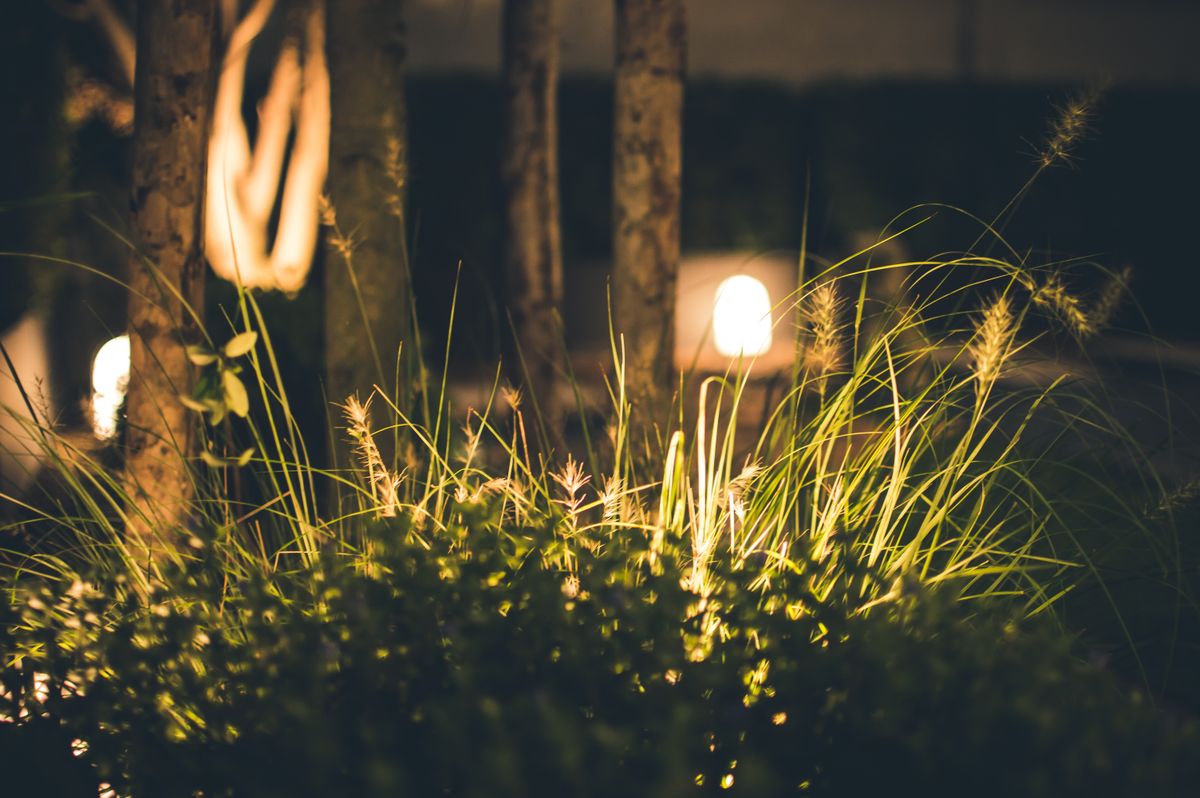
Photo by suzukii xingfu on Pexels
Here's the part nobody talks about: the internal architecture of a Solar Owl Light is what determines its functional lifespan, not the exterior resin mold. While many search for a hanging solar owl lantern, the weight distribution and panel orientation on these units often compromise their ability to face the solar noon. The Solar Owl Light addresses this by utilizing a high-efficiency monocrystalline silicon panel that operates effectively even in the diffused light of northern latitudes. Research context suggests that users are specifically looking for a waterproof solar owl lamp that can withstand 2,100 impressions of environmental stress, ranging from high heat to freezing temperatures. Run the math: a standard 600mAh Ni-MH battery requires approximately 6 to 8 hours of direct sunlight to reach full capacity. In a resin owl garden statues solar powered configuration, the LEDs are typically tuned to a 3000K color temperature, which provides a warm glow without the harsh blue-light pollution that disrupts local nocturnal pollinators. The Solar Owl Light integrates a light-sensitive photocell that automates the transition from charging to discharge, ensuring that stored energy is not wasted during dusk transitions. This technical specificity is what separates a functional garden tool from a temporary plastic novelty.
A Framework for Solar Ornament Acquisition
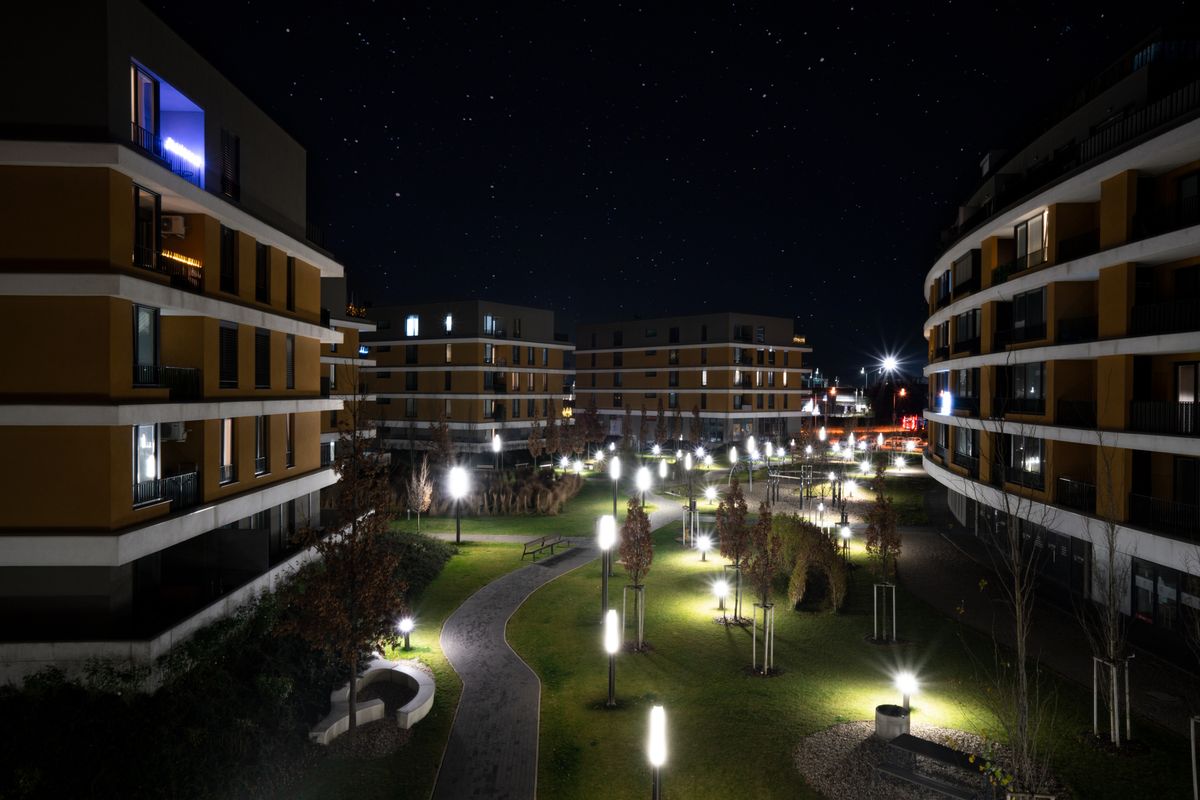
Choosing a solar ornament requires a move away from impulse buying toward a rigorous selection process. The visual appeal of a statue is secondary to its ability to survive the local climate and provide consistent lumen output. Before finalizing a purchase, consumers should run a site audit to ensure the intended location receives at least four hours of unobstructed sunlight between 10:00 AM and 2:00 PM. I'll change my mind when a manufacturer produces a decorative unit that can maintain 100% brightness for 12 hours on a two-hour charge, but until then, efficiency and placement are the only variables within the user's control. Use this checklist to evaluate your next acquisition:
- Verify the ingress protection (IP) rating to ensure it meets a minimum of IP65 for all-weather durability.
- Confirm the solar panel type; monocrystalline is preferred over polycrystalline for smaller surface areas.
- Check the battery chemistry to ensure it is a high-capacity Ni-MH or Li-ion cell that is user-replaceable.
- Assess the housing material for UV-stabilized resin to prevent color fading and structural cracking.
- Measure the lumen output to determine if the light is intended for path safety or purely for ambient accentuation.